
Professional illustration about Craps
Live Craps Basics
Live Craps Basics
Craps is one of the most exciting and fast-paced casino games, and understanding the live craps basics is essential for beginners. At its core, the game revolves around the come-out roll, where the shooter (the player rolling the dice) aims to establish a point number (4, 5, 6, 8, 9, or 10) before rolling a 7. The most fundamental bet in craps is the pass line bet, which wins if the shooter rolls a 7 or 11 on the come-out roll or hits the point number before a 7. Conversely, it loses if a 2, 3, or 12 ("craps") is rolled initially.
Once a point is established, players can enhance their pass line bet with an odds bet, which has no house edge—making it one of the best bets in the casino. For example, at WinStar World Casino and Resort, the odds bet payout varies depending on the point (e.g., 2:1 for 4 or 10, 3:2 for 5 or 9). Another popular wager is the come bet, which works like a secondary pass line bet after the come-out roll. Players can also explore place bets, where they wager on specific numbers (4, 5, 6, 8, 9, or 10) to be rolled before a 7.
The live craps table is a social environment with a team of dealers and a stickperson (or stickman) who oversees the dice and announces outcomes. Proper table etiquette includes handling chips carefully, avoiding late bets, and tipping dealers—especially after a hot streak. Bankroll management is critical; experts like Michael Shackleford (the Wizard of Odds) recommend setting a loss limit and sticking to low-house-edge bets like the pass line and odds bet.
For beginners, observing a few rounds at venues like Hard Rock Opening Act or Rockford Casino can help grasp the game’s rhythm. The house edge varies widely across bets—for instance, the pass line has a 1.41% edge, while place bets on 6 or 8 carry a 1.52% edge. High-risk propositions like hardways (betting on doubles) have a higher house edge (up to 11.1%) but offer bigger payouts. Understanding dice probability and betting strategies can significantly improve your odds.

Craps unfolds in distinct game phases: the come-out roll and the point phase. During the come-out, only pass line and don’t pass bets are active. Once a point is set, players can add place bets, come bets, or odds bets. The table setup includes marked areas for each bet type, and dealers can assist newcomers in placing wagers correctly. For online craps players, platforms often feature tutorials, but live craps retains the thrill of real-time interaction.
Whether you’re at WinStar Casino or a local venue, mastering these basics—like the pass line bet, come-out roll, and odds bet—will boost confidence. Avoid overly complex strategies early on; focus on low-edge bets and gradual bankroll management. As Jeff Kolkey, a seasoned craps analyst, notes, "The game rewards patience and disciplined betting." Keep an eye on the shooter’s rhythm, but remember: every roll is independent, and superstitions don’t affect dice probability. Craps is about fun, camaraderie, and smart decisions—not just luck.

Professional illustration about Pass
Craps Table Layout
The craps table layout might seem overwhelming at first glance, but understanding its design is crucial for both beginners and seasoned players. At its core, the table features a Pass Line area where most action begins - this is where you place your initial pass line bet before the come-out roll. Adjacent to it, you'll find the Come and Don't Come sections, which function similarly but are used after the point is established. The center of the table displays various place bets (like the 4, 5, 6, 8, 9, and 10) where players can wager on specific numbers being rolled before a 7 appears. What many newcomers don't realize is that the physical layout directly mirrors the game's phases: the come-out roll phase (where pass line bets matter most) and the point phase (where place bets and odds bets become active).
Dealer positions are strategically placed around the oval-shaped table - you'll typically find two base dealers handling chip transactions, while the stickperson controls the dice movement using a long curved stick. The shooter (current dice roller) stands at one end, with other players crowding around the rail to place bets. Modern tables at casinos like WinStar World Casino and Resort or Hard Rock often feature digital displays showing hot numbers and game statistics, though the fundamental layout remains unchanged since the game's inception. For bankroll management, note that the table's minimum/maximum bet signs are usually posted near the dealer - a $10 table means your pass line bet must be at least $10, but your odds bet (typically placed behind the original wager) can be higher.
The table's design incorporates subtle psychological elements too. The bright red Don't Pass bar visually stands out to discourage wrong-way betting, while the symmetrical number placement (6 and 8 near the dealers, 4 and 10 at the ends) creates balanced traffic flow. According to Wizard of Odds Michael Shackleford, this layout evolved from early 20th-century designs to maximize both game speed and casino profitability. When placing place bets, observe how the 5 and 9 sit opposite each other - this isn't random but reflects their identical house edge (4%) in most casinos. Advanced players often use the table's geography to their advantage; for instance, placing chips directly in front of the dealer reduces errors compared to tossing them toward distant numbers.
Etiquette matters too - never reach across the table to place bets (ask the dealer instead), and avoid touching your chips once the shooter starts rolling. The Phase One area (where initial come-out rolls happen) tends to be less crowded than the place bet sections, making it ideal for beginners to observe. Contemporary variations like online craps simplify the layout to a 2D interface, but land-based tables maintain physical nuances that affect gameplay - the slight table curvature, for example, influences dice bouncing patterns that serious players study. Whether you're at Rockford Casino or a Vegas strip property, recognizing how the betting options map to table positions will dramatically improve your confidence and strategic positioning.

Professional illustration about Odds
Dice Rolling Rules
Dice Rolling Rules in Craps: Mastering the Come-Out Roll and Beyond
At the heart of craps is the dice rolling process, which dictates every phase of the game. Whether you're at WinStar World Casino and Resort or playing online craps, understanding these rules is non-negotiable. The shooter (the player rolling the dice) initiates the game with the come-out roll, a pivotal moment that sets the tone for the round. If the shooter rolls a 7 or 11, Pass Line Bet players win instantly. Conversely, a 2, 3, or 12 ("craps") means they lose, while any other number (4, 5, 6, 8, 9, or 10) establishes the point.
Once the point is set, the game enters a new phase where the shooter must roll the point again before hitting a 7 to secure a win for Pass Line bettors. This is where Odds Bet—a low-house edge wager—comes into play, allowing players to back their original bet with additional funds at true odds. For example, if the point is 6, a $10 Pass Line Bet with 5x odds could net you $60 ($10 at 1:1 plus $50 at 5:6).
Etiquette and Execution
The stickperson (or stickman) oversees the dice, ensuring fair play and enforcing table etiquette. Here’s what beginners should know:
- The shooter must use one hand to roll the dice, and they must hit the back wall of the table. No sliding or "setting" the dice mid-air.
- Dealers will call out the results, so pay attention—especially if you’ve placed Come Line Bets or Place Bets on specific numbers.
- Tipping dealers is customary, especially after a hot streak. A $5 chip tossed their way keeps the vibe positive.
Advanced Moves: Place Bets and Come Bets
While the shooter focuses on the come-out roll, savvy players explore secondary bets like Place Bets (wagering on specific numbers to hit before a 7) or Come Bets (similar to the Pass Line but made after the point is established). For instance, at the Rockford Casino, a $12 Place Bet on 8 pays $14 if it lands, thanks to its 7:6 payout ratio.
Probability and Strategy
According to Michael Shackleford, the Wizard of Odds, the house edge on a Pass Line Bet is just 1.41%, but it drops to 0.8% with full odds. Meanwhile, Place Bets on 6 or 8 carry a 1.52% edge, making them solid choices for bankroll management. Craps legend Jeff Kolkey often emphasizes sticking to Pass Line and Odds Bets for long-term play, as volatile wagers like Hard Rock Opening Act side bets can drain your stack fast.
Common Mistakes to Avoid
- Don’t touch the dice after the stickman delivers them to the shooter—interfering can halt the game.
- Avoid late bets once the shooter picks up the dice; dealers will refuse them.
- Remember that craps is a social game. Yelling "Seven!" during a roll is considered bad luck (and poor manners).
Whether you're at WinStar Casino or studying dice probability charts, mastering these rules ensures you’re not just another spectator at the table. Craps thrives on energy and precision—so roll smart, bet smarter, and let the dice do the talking.
Professional illustration about Place
Betting Options Guide
Understanding Craps Betting Options: A Beginner’s Roadmap
Craps is a fast-paced dice game with a wide range of betting options, each offering unique odds and house edges. The most fundamental wager is the Pass Line Bet, placed before the come-out roll (the first roll of a new round). If the shooter rolls a 7 or 11, you win instantly; a 2, 3, or 12 ("craps") means you lose. Any other number (4, 5, 6, 8, 9, or 10) becomes the "point," and the shooter must roll it again before a 7 to secure your win. This bet has a low house edge of just 1.41%, making it ideal for beginners.
Once a point is established, savvy players often add an Odds Bet—a supplemental wager with zero house edge. For example, at WinStar World Casino and Resort, you might place a $10 Pass Line Bet and back it with a $20 Odds Bet (common at 3x-4x-5x odds tables). If the point is 6, a $20 Odds Bet pays $24 (6:5 odds). This combo reduces the overall house edge to below 1%, one of the best deals in casino gaming.
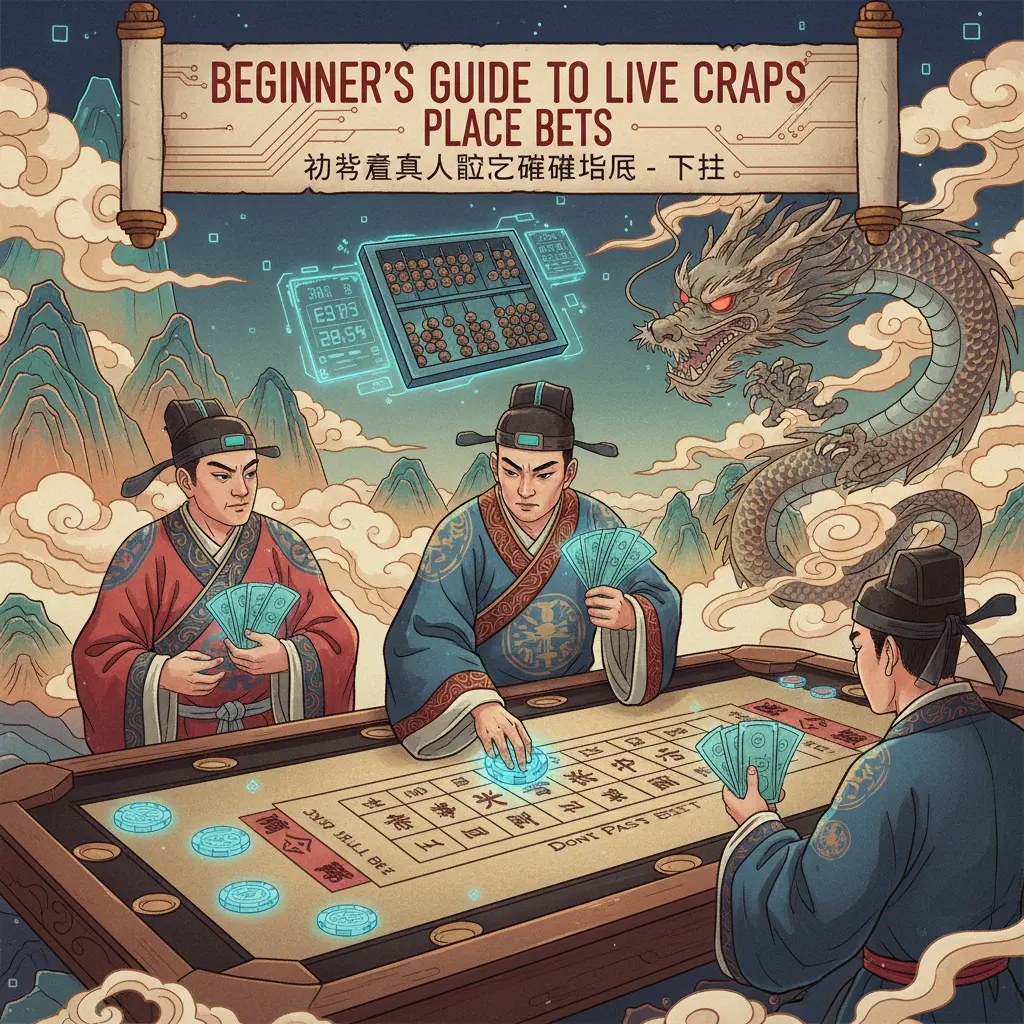
Place Bets are another popular choice, allowing you to bet on specific numbers (4, 5, 6, 8, 9, or 10) to hit before a 7. Unlike Pass Line Bets, these can be made anytime after the come-out roll. For instance, a $12 Place Bet on 6 pays $14 (at 7:6 odds), while a $10 bet on 5 pays $14 (at 7:5 odds). However, the house edge varies: 4.76% on 6/8 but jumps to 6.67% on 5/9. Bankroll management is key here—stick to numbers with lower edges for long-term play.
The Come Line Bet mirrors the Pass Line Bet but is placed after the come-out roll. It creates its own "point" on the next roll, offering similar odds. This bet is perfect for players who join mid-game or want to diversify their action. For example, if you place a Come Bet and the shooter rolls a 9, that becomes your new point. A subsequent roll of 9 wins, while a 7 loses. Like the Pass Line, you can add an Odds Bet to improve payouts.
Table Etiquette and Roles
Craps involves a crew: the shooter (player rolling the dice), stickperson (who retrieves dice with a curved stick), and dealers (handling payouts). At venues like Rockford Casino or the Hard Rock Opening Act, tipping dealers is customary—especially after a hot streak. Place a $1-$2 bet for them on the next roll (e.g., "$2 for the dealers on 6") to keep the vibe positive.
Advanced Moves and Pitfalls
While betting strategies like hedging (covering multiple outcomes) seem tempting, they often increase the house edge. For example, combining a Pass Line Bet with a "Don’t Pass" bet cancels wins/losses but guarantees a long-term loss due to varying odds. Instead, focus on low-edge bets and dice probability. As Michael Shackleford (the Wizard of Odds) notes, "Craps is about patience—let the odds work for you, not against you."
Phase One of mastering craps involves sticking to Pass Line, Come, and Odds Bets. Once comfortable, experiment with Place Bets or Hard Rock’s proprietary side bets (like the Hard Rock Opening Act bonus). Always check the table’s posted odds—some casinos offer 100x Odds (rare but golden), while others cap at 2x. Whether at WinStar Casino or online craps tables, knowing your options transforms chaos into calculated fun.

Professional illustration about come
Pass Line Strategy
The Pass Line Strategy: Your Foundation for Winning at Craps
If you're new to craps, mastering the pass line bet is your first step toward playing like a pro. This fundamental wager is the backbone of the game, offering one of the lowest house edges (just 1.41%) and a straightforward way to ride the shooter’s momentum. Here’s how it works: Before the come-out roll (the first roll of a new round), place your chips on the pass line. If the shooter rolls a 7 or 11, you win instantly. If they roll a 2, 3, or 12 (called "craps"), you lose. Any other number (4, 5, 6, 8, 9, or 10) becomes the "point," and the shooter must roll that number again before hitting a 7 to secure your win.
Why the Pass Line Bet is a Smart Play
Unlike place bets or come line bets, the pass line bet gives you two ways to win on the come-out roll (7 or 11) and only three losing outcomes. Once the point is established, the odds shift slightly, but adding an odds bet (a supplemental wager with zero house edge) can drastically improve your payouts. For example, at WinStar World Casino and Resort, you might see "3x-4x-5x" odds, meaning you can bet up to 3x your pass line wager if the point is 4 or 10, 4x for 5 or 9, and 5x for 6 or 8. This combo reduces the overall house edge to below 0.5%, making it one of the best betting strategies in craps.
Pro Tips for Maximizing Your Pass Line Strategy
- Leverage the odds bet: Always take full advantage of the free odds bet offered by casinos like Hard Rock Opening Act or Rockford Casino. It’s the only bet in the casino with no house advantage.
- Bankroll management: Since craps is a fast-paced game, set a budget for your pass line bets and stick to it. For instance, if you’re playing with $200, limit your initial pass line wagers to $10–$15 to withstand variance.
- Observe table etiquette: Dealers and the stickperson (the staff member handling the dice) appreciate players who know when to place bets. Avoid late throws, and always tip the dealers when you’re on a hot streak—it keeps the energy positive.
Common Mistakes to Avoid
New players often confuse the pass line bet with place bets, which are made after the point is established. Place bets are static—they don’t win or lose on the come-out roll—and they carry a higher house edge (up to 6.67%). Another pitfall is overbetting on the odds; while it’s a great tool, risking too much on a single point can drain your bankroll quickly. Experts like Michael Shackleford (the Wizard of Odds) and Jeff Kolkey recommend keeping your odds bet at 3–5x your pass line wager for balance.
How the Pass Line Fits into the Game Phases
Craps unfolds in two main phases: the come-out roll and the point phase. Your pass line bet is active in both, but its role changes. During the come-out, it’s all about quick wins or losses. Once the point is set, the game shifts to a tension-filled waiting game. For example, if the point is 6, every roll builds anticipation until the shooter either hits the 6 (win) or a 7 (lose). This duality makes the pass line a dynamic and engaging bet, especially in lively settings like WinStar Casino, where the crowd’s energy amplifies the excitement.
Final Thoughts on Strategy Refinement
To truly excel, practice online craps simulations to internalize the dice probability behind the pass line. Remember, while the shooter controls the dice, your betting discipline controls your longevity at the table. Whether you’re at a high-energy casino like Phase One in Rockford or a quieter online table, the pass line strategy remains your most reliable path to consistent wins.


Professional illustration about come
Don't Pass Tips
Don't Pass Tips: A Smart Strategy for Beginner Craps Players
If you're new to craps, the Don't Pass bet might seem counterintuitive—after all, most players cheer for the shooter to win. But this underrated wager offers one of the lowest house edges in the casino (just 1.36%), making it a savvy choice for bankroll-conscious players. Here's how to leverage it effectively:
Timing is Key: The Don't Pass bet is placed before the come-out roll. You're essentially betting against the shooter, hoping for a 2, 3, or 12 (an immediate win) or a 7 before the point is repeated. If the come-out roll is a 7 or 11, you lose—but if it’s a 4, 5, 6, 8, 9, or 10, that becomes the "point," and you’ll win if a 7 rolls before the point repeats.
Combine with Odds for Lower House Edge: Once the point is established, consider laying odds bet behind your Don't Pass bet. This reduces the overall house edge to as low as 0.35% (depending on casino rules). For example, at WinStar World Casino and Resort, you might lay 2x odds on a point of 6 or 8, further improving your position.
Avoid Temptation to Hedge: New players often pair Don't Pass with place bets or come line bet to "cover" outcomes, but this usually increases the house edge. Stick to a clean strategy—betting against the shooter doesn’t make you unpopular; it’s just math!
Etiquette Matters: While you’re not obligated to root for the shooter, avoid loud celebrations if the table loses. Dealers (or stickperson) appreciate respectful play, and tipping them occasionally keeps the game friendly.
Bankroll Management: Since Don't Pass wins less frequently but pays even money, allocate 5-10% of your session bankroll per bet. For example, with a $500 bankroll, keep bets at $25–$50 to withstand variance.
Pro Tip: Use resources like the Wizard of Odds (by Michael Shackleford) or insights from experts like Jeff Kolkey to refine your strategy. And if you’re playing at newer venues like Rockford Casino during its Phase One rollout, confirm their odds rules—some casinos limit Don't Pass odds or adjust payouts.
Remember, craps is about balancing fun and strategy. The Don't Pass bet won’t make you the life of the party, but it could keep your chips stacked longer than the high-risk pass line bet crowd!
Professional illustration about pass
Odds Bet Explained
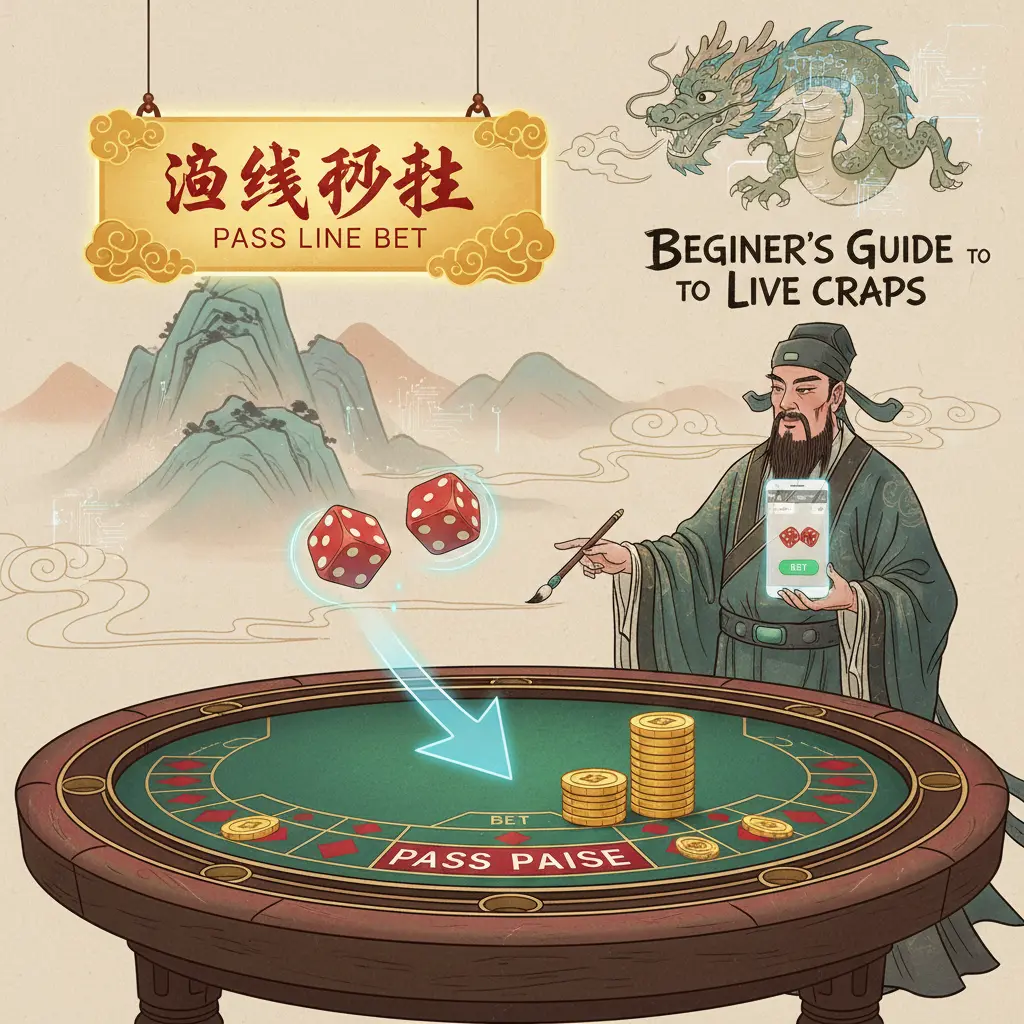
The odds bet in craps is one of the most player-friendly wagers you can make at the table, and understanding how it works can significantly boost your bankroll management strategy. Unlike the pass line bet or come line bet, which have a built-in house edge, the odds bet carries zero house edge—meaning the casino has no statistical advantage over you. This makes it a must-know for beginners diving into live craps. Here’s how it works: After the come-out roll (the first roll of a new round), if the shooter establishes a point number (4, 5, 6, 8, 9, or 10), you can place an additional bet behind your original pass line bet. This is your odds bet, and it pays out at true odds, meaning the payout matches the actual probability of the point being rolled again before a 7.
For example, if the point is 6, the true odds of rolling a 6 before a 7 are 6:5. If you bet $10 on the odds, you’ll win $12 (plus your original $10 back). The payouts vary by point:
- 4 or 10: Pays 2:1
- 5 or 9: Pays 3:2
- 6 or 8: Pays 6:5
Why is this so powerful? Because it reduces the overall house edge when combined with your pass line bet. For instance, a pass line bet alone has a 1.41% house edge, but adding 3x-4x-5x odds (a common casino limit) drops it to as low as 0.37%. Casinos like WinStar World Casino and Resort or the Rockford Casino often allow higher odds multiples, giving savvy players even better value.
Pro tip: Always take full odds if your bankroll allows. If the table offers 5x odds, max it out—it’s mathematically the smartest move. However, remember that the odds bet is only active after a point is established, so don’t confuse it with place bets, which are independent wagers on specific numbers. Also, etiquette-wise, dealers (or the stickperson) won’t remind you to add odds, so it’s on you to toss your chips in and say, “Odds, please.”
Betting strategies often revolve around the odds bet. Experts like Michael Shackleford (the Wizard of Odds) and Jeff Kolkey emphasize its importance in lowering the house edge. If you’re playing online craps, check the rules—some virtual tables offer “infinite odds,” which is even better. But whether you’re at Hard Rock Opening Act or a local casino, mastering the odds bet is a game-changer. Just keep in mind: while the odds bet has no house edge, your original pass line bet still does, so manage your bankroll wisely.
Finally, note that the odds bet isn’t available on every phase of the game. It’s only active after the come-out roll establishes a point. Once the shooter hits the point or sevens out, the round resets, and you’ll need to wait for the next come-out roll to place another odds bet. This cyclical nature is part of what makes craps so dynamic—and why understanding game phases is key to leveraging the odds bet effectively.
Quick etiquette reminder: Tipping dealers when you win big on odds bets is always appreciated, especially in high-energy venues like WinStar Casino. It keeps the vibe positive and ensures smoother gameplay. Now that you’ve got the lowdown on odds bets, you’re ready to approach the craps table with confidence—and maybe even impress the stickman with your savvy betting.

Professional illustration about place
Come Bets How-To
Come Bets How-To: A Strategic Deep Dive for Craps Beginners
If you've already mastered the pass line bet, the come bet is your next logical step in craps—it’s essentially the same bet but placed after the come-out roll. Here’s how it works: Once the shooter establishes a point number (4, 5, 6, 8, 9, or 10), you can place a come line bet by tossing your chips into the "Come" area. The next roll becomes your personal come-out roll. If the shooter rolls a 7 or 11, you win; a 2, 3, or 12 means you lose. Any other number (4, 5, 6, 8, 9, or 10) becomes your come point, and the dealer moves your chips to that number on the layout. Now, you’re rooting for that number to hit before a 7 rolls.
Why Use Come Bets?
Come bets are a powerhouse for bankroll management and betting strategies because they let you multiply your opportunities to win after the initial pass line action. For example, if the point is 6 and you place a come bet, and the next roll is a 5, you now have two numbers working for you (6 and 5). This creates layered winning potential—each come point acts like a mini pass line bet. Plus, you can add an odds bet (often called "taking odds") behind your come bet, which has zero house edge. At WinStar World Casino and Resort, for instance, you might see 3x-4x-5x odds, meaning you can bet up to 3x your come bet on a 4 or 10, 4x on a 5 or 9, and 5x on a 6 or 8.
Pro Tips for Come Bet Success
- Timing Matters: Wait until the shooter establishes a point before placing come bets. Jumping in too early (during the come-out roll) turns your come bet into a de facto pass line bet.
- Combine with Place Bets: If you’re aggressive, pair come bets with place bets on numbers you believe are "hot." For example, if the table is favoring 6 and 8, a come bet with odds plus a place bet on 8 increases your coverage.
- Watch the Shooter’s Rhythm: Some players swear by dice control (though it’s controversial). If the shooter consistently hits certain numbers, tailor your come bets accordingly.
Etiquette and Execution
When placing a come bet, clearly announce "Come bet" to the stickperson or dealer, especially in busy casinos like Hard Rock Opening Act or Rockford Casino. Toss your chips gently toward the come area—don’t hand them directly to the dealer, as this slows the game. Remember, table etiquette includes tipping dealers when you win; a $1 chip on a $10 win keeps the vibe positive.
The Math Behind Come Bets
The house edge for a come bet is identical to the pass line bet (1.41%). But when you add odds bets, the overall edge drops significantly. For example, with 2x odds, the combined edge falls to 0.61%. Michael Shackleford, the Wizard of Odds, emphasizes that maximizing odds bets is key to reducing casino advantage. Meanwhile, Jeff Kolkey’s analyses highlight that come bets thrive in game phases where shooters roll longer, giving your multiple come points more chances to hit.
Common Mistakes to Avoid
- Overloading on Come Bets: While it’s tempting to stack come bets, too many can drain your bankroll fast if the shooter sevens out. Stick to 1–2 active come bets at a time.
- Ignoring Odds Bets: Not backing your come bet with odds is leaving money on the table. Even a 1x odds bet halves the house edge.
- Misreading the Table: If the shooter is on a cold streak (frequent 7s), pause come bets until the rhythm improves.
Final Thought
Mastering come bets transforms you from a passive pass line bet observer to an active participant in every phase of the game. Whether you’re at WinStar Casino or an online craps table, this move—paired with smart odds bet sizing—can turn the tide in your favor. Just remember: Craps is about patience and precision, not just luck.

Professional illustration about shooter
Field Bet Pros/Cons
Field Bet Pros/Cons in Craps: A Balanced Breakdown for Beginners
The Field Bet is one of the simplest wagers in craps, making it a popular choice for newcomers at casinos like WinStar World Casino and Resort or the newly opened Hard Rock Opening Act in Rockford. Positioned front and center on the table setup, this bet wins if the next roll is a 2, 3, 4, 9, 10, 11, or 12. But like all betting options, it has trade-offs. Let’s dive into the pros and cons to help you decide if it aligns with your bankroll management strategy.
- Easy to Understand: Unlike the Pass Line Bet or Come Line Bet, the Field Bet doesn’t require tracking multiple game phases. You’re betting on single-roll outcomes, which is perfect for beginners still learning dice probability and table etiquette.
- Payout Variety: Most numbers pay 1:1, but some casinos (like Wizard of Odds founder Michael Shackleford notes) offer 2:1 or even 3:1 on the 2 or 12. For example, at WinStar Casino, rolling a 12 might net you triple your bet—a tempting short-term win.
Fast-Paced Action: If you prefer quick resolutions over waiting for a come-out roll or shooter to complete a point cycle, the Field Bet delivers instant gratification. It’s ideal for players who enjoy the thrill of dice rolling without complex betting strategies.
High House Edge: While the house edge (around 5.56% for standard payouts) is lower than some place bets, it’s significantly higher than the Pass Line Bet (1.41%) or Odds Bet (0% edge). Over time, this can eat into your bankroll management plan.
- Limited Winning Numbers: The Field Bet loses on 5, 6, 7, and 8—the most common rolls in craps. Statistically, the 7 alone appears in 1 out of 6 rolls, making this a risky long-term play. As Jeff Kolkey of Rockford Casino emphasizes, relying on Field Bets ignores the math behind dice game probabilities.
No Strategic Depth: Unlike hedging with Place Bets or leveraging Odds Bets, the Field Bet is purely luck-based. Seasoned players often avoid it in favor of wagers with better betting odds and lower volatility.
Short Sessions: If you’re at the table for fun (say, during Phase One of a casino visit) and want low-stakes excitement, the Field Bet adds variety without demanding deep strategy.
- Bonus Payouts: Scout tables with enhanced payouts for 2 or 12. For instance, the Wizard of Odds calculator shows that a 3:1 payout on the 12 drops the house edge to 2.78%—making it more appealing.
- Combination Plays: Some players pair Field Bets with Pass Line Bets to cover more outcomes during a shooter’s hot streak. Just remember: this isn’t a substitute for disciplined bankroll management.
Always check the table setup for Field Bet payout variations before placing chips. And don’t forget tipping dealers—they’ll appreciate the gesture, especially if you’re on a winning streak! Whether you’re at WinStar Casino or an online craps platform, weigh the Field Bet’s simplicity against its mathematical drawbacks to make informed decisions.

Professional illustration about stickman
Craps Etiquette 101
Craps Etiquette 101: How to Play Like a Pro Without Annoying the Table
Craps is one of the most exciting casino games, but it also has some of the most unspoken rules. Whether you're betting on the Pass Line, placing an Odds Bet, or trying your luck with Place Bets, knowing the etiquette can make the difference between blending in and getting side-eyed by the dealers and other players.
The shooter (the person rolling the dice) controls the game's rhythm. Don’t distract them mid-roll—wait until the come-out roll is over before placing new bets or asking questions. If you're new, observe a few rounds first. Seasoned players at places like WinStar World Casino and Resort or the Hard Rock Opening Act tables appreciate when newcomers don’t disrupt the momentum.
- Pass Line Bet and Come Line Bet must be placed before the come-out roll. Once the dice are in motion, dealers won’t accept late bets.
- If you’re making Place Bets, announce them clearly to the stickperson (the dealer managing the dice). For example, say "Place the 6 for $12" instead of just tossing chips.
- Never hand money directly to the dealers—place it on the table and let them exchange it for chips. This keeps transactions transparent and avoids confusion.
Craps dealers work hard to keep the game moving smoothly. Tipping (also called "toking") is customary, especially if you’re on a hot streak. A simple "$5 for the dealers" when you place a bet or a chip tossed their way after a win keeps the atmosphere positive. At high-energy spots like the Rockford Casino, dealers remember generous players and might even offer helpful tips.
- Do: Use one hand only when rolling the dice (some casinos require both hands).
- Don’t: Throw the dice too hard or off the table—this slows down the game and annoys everyone.
- Do: Keep your hands clear of the table once the dice are in play. Even hovering near the Pass Line can cause disputes.
Craps tables are social, but there’s a time and place for chatter. Avoid:
- Talking about "bad luck" or superstitions mid-roll (some players take this seriously).
- Giving unsolicited advice—especially to the shooter. If someone asks for help, keep it simple (e.g., "The House Edge is lower on Odds Bets").
Whether you’re at Wizard of Odds-recommended tables or a local casino, staying cool is key. Don’t:
- Gloat excessively after a big win (it’s bad form).
- Complain loudly about losses—everyone’s there to have fun.
- If you’re unsure about a rule, ask the dealers politely. They’d rather explain than fix a mistake later.
- Watch Michael Shackleford or Jeff Kolkey videos to learn advanced betting strategies without annoying the table.
- Manage your bankroll wisely—nothing kills the vibe faster than someone begging for chips after blowing their stack.
By following these unwritten rules, you’ll earn respect at the table and enjoy the game way more. Now go roll those dice like you belong there!

Professional illustration about stickperson
Bankroll Management
Bankroll Management: Playing Craps Smart Without Going Bust
One of the biggest mistakes beginners make in craps is underestimating the importance of bankroll management. Unlike slot machines or roulette, craps offers dynamic betting strategies with varying house edges, so how you budget your money directly impacts your longevity at the table. A solid bankroll plan ensures you can weather losing streaks while capitalizing on hot rolls. Here’s how to approach it like a pro—whether you’re at WinStar World Casino and Resort or an online table.
Start Small, Play Smart
Your bankroll should be separate from your daily funds—money you can afford to lose. A good rule of thumb is to bring at least 20x the table’s minimum bet. For example, if the minimum pass line bet is $10, aim for a $200 bankroll. This lets you place odds bets (which have no house edge) and explore place bets without panic. Craps legend Michael Shackleford (the Wizard of Odds) emphasizes that disciplined players focus on low-edge bets like the pass line and come bets, reserving high-risk wagers (like hardways) for occasional fun.
Divide and Conquer: Session Stacks
Break your bankroll into smaller "session stacks" to avoid blowing everything in one go. If you’ve got $200, split it into four $50 segments. Each segment covers a round of come-out rolls and follow-up bets. If you lose a stack, take a break—emotional decisions lead to chasing losses. Pro tip: Casinos like Hard Rock Opening Act and Rockford Casino often have higher limits on weekends, so adjust your bankroll accordingly.
Bet Sizing: The 5% Rule
Never bet more than 5% of your total bankroll on a single wager. If you’re playing with $200, your pass line bet shouldn’t exceed $10. This protects you from rapid depletion, especially during cold streaks. For place bets, stick to 6 and 8 (which have a 1.52% house edge) rather than riskier numbers like 4 or 10 (higher edge at 6.67%). Jeff Kolkey, a seasoned craps analyst, notes that conservative players who follow this rule often outlast aggressive bettors.
Track the Shooter’s Rhythm
Craps is a social game where the shooter’s luck dictates the table’s energy. Watch a few rolls before jumping in—some players prefer to "press" their bets after wins, while others cash out early. If the stickperson announces a hot streak, consider increasing your odds bet (up to 3x-5x your pass line bet, depending on casino rules). But always cap aggressive moves at 10% of your session stack.
Tipping and Table Etiquette
Allocate 5–10% of your bankroll for tipping dealers. Not only is it good karma, but dealers often share valuable insights on betting odds or table trends. At WinStar Casino, regulars swear by tossing a $5 chip to the crew during a hot roll—it keeps the vibe positive and might even earn you a lucky nod from the stickman.
When to Walk Away
Set win/loss limits before you play. A common strategy is the "50% rule": If you double a session stack ($50 → $100), pocket half and play with the rest. Conversely, if you lose 50% of a stack, step back. Craps is a marathon, not a sprint—dice probability means even the best betting options won’t defy variance forever.
Phase One for Beginners
Newcomers should master Phase One (pre-come-out roll) before diving into complex bets. Stick to pass line bets with single odds bets and one come bet per round. This minimizes exposure while letting you learn the game’s flow. As Wizard of Odds data shows, simplicity often beats complicated systems in the long run.
By treating your bankroll like a strategic tool—not just gambling fuel—you’ll enjoy craps longer and leave the table with stories, not regrets. Whether you’re at a buzzing casino or studying online craps, these principles keep the game fun and financially sustainable.

Professional illustration about dealers
Avoiding Common Mistakes
Avoiding Common Mistakes in Live Craps (2025 Edition)
One of the biggest mistakes beginners make in craps is ignoring the house edge—especially on bets like Place bets and the Hard Rock Opening Act, which can have significantly higher margins compared to the Pass Line Bet or Odds Bet. For example, while the Pass Line Bet carries a mere 1.41% house edge, some Place bets (like betting on 4 or 10) jump to 6.67% if not backed by proper odds. Always prioritize low-edge bets, and consult resources like the Wizard of Odds (updated for 2025 by Michael Shackleford) to compare betting strategies before hitting the table.
Another critical error is poor bankroll management. Craps is a fast-paced game, and without a clear budget, players often chase losses by increasing bets recklessly. A solid rule in 2025? Allocate no more than 5–10% of your bankroll per session and stick to betting strategies that align with your risk tolerance. For instance, if you’re at WinStar World Casino and Resort, set a loss limit before you even approach the table—especially during the come-out roll, where excitement can cloud judgment.
Many new players also misunderstand the Come Line Bet, treating it identically to the Pass Line Bet. While both are similar, the Come Line Bet is placed after the come-out roll, creating a separate contract. Failing to grasp this distinction can lead to confusion when the shooter changes phases. For clarity: The Pass Line Bet wins on a 7 or 11 during the come-out roll, while the Come Line Bet follows the same rules but activates mid-game.
Table etiquette is another area where beginners slip up. Ignoring the stickperson or dealers, interrupting the shooter, or forgetting to tip can make for an awkward experience. At venues like the Rockford Casino, where craps tables are crowded during Phase One openings, respect the flow of the game. Wait for the dice to settle before placing bets, and avoid touching your chips once the shooter is in motion.
Lastly, don’t overcomplicate your betting. Beginners often load the table with multiple Place bets, Come Line Bets, and Odds Bets simultaneously, diluting their focus—and their bankroll. Start simple: Master the Pass Line Bet with a single Odds Bet (which has zero house edge) before layering in advanced moves. Even Jeff Kolkey, a seasoned craps strategist, emphasizes that disciplined, incremental learning beats chaotic betting every time.
Pro tip: If you’re playing online craps, watch for Dice Probability tools (now standard in 2025 platforms) to visualize outcomes. And remember—whether at WinStar Casino or your local spot, avoiding these pitfalls will keep you in the game longer and maximize your fun.

Professional illustration about WinStar
Live Craps vs Online
When comparing live craps to online craps, the experience differs in ways that can impact your strategy, bankroll management, and overall enjoyment. Live craps, like the high-energy tables at WinStar World Casino and Resort, offers the thrill of real dice rolling, a lively crowd, and the human interaction with dealers and the stickperson. The social aspect is a huge draw—you’ll hear players cheering for the shooter, tipping dealers, and engaging in table etiquette that’s been part of the game for decades. The physicality of the game, from the come-out roll to the shooter’s dice toss, adds an element of unpredictability and excitement. Plus, live tables often feature side bets or promotions, like the Hard Rock Opening Act at certain casinos, which can boost your odds or add extra layers of fun.
On the other hand, online craps provides convenience and flexibility. You can play anytime, anywhere, without worrying about table minimums or crowded casinos. Digital platforms often include detailed tutorials, like those from Wizard of Odds or Michael Shackleford, making it easier for beginners to grasp betting strategies like the pass line bet, odds bet, or place bets. Online games also tend to have lower house edges, which can stretch your bankroll further. However, the lack of human interaction—no stickman calling the numbers, no dealers to tip—can make the experience feel sterile compared to the electric atmosphere of a live table.
Here’s where strategy comes into play. In live craps, you might adjust your bets based on the shooter’s rhythm or the table’s vibe. For example, if a hot streak hits, players often increase their come line bet or add place bets on hot numbers. Online, the game relies on RNG (random number generation), so there’s no shooter to read—just pure probability. This makes bankroll management even more critical in digital play, as the pace is faster, and it’s easier to chase losses. Experts like Jeff Kolkey recommend sticking to low-volatility bets, like the pass line with odds, to minimize risk in online games.
Another key difference is the table setup. Live craps tables have a defined layout with specific areas for pass line bets, come bets, and place bets, along with dealers managing payouts. Online, the interface might simplify this, condensing betting options into clickable buttons. Some players prefer the tactile feel of stacking chips on a live table, while others appreciate the streamlined digital interface for quicker decision-making.
Finally, consider the game phases. In live craps, the come-out roll sets the tone, and players often follow the shooter’s luck. Online, the phases are the same, but the pacing is different—you can skip the downtime between rolls, which some players love (and others miss). Whether you’re at Rockford Casino during its Phase One rollout or grinding online, understanding these nuances will help you choose the right format for your style.
Bottom line: If you crave authenticity, social energy, and the drama of real dice, live craps is unbeatable. But if you prioritize convenience, lower stakes, and the ability to practice strategies risk-free, online craps might be your best bet. Either way, mastering the house edge, betting odds, and dice probability will give you an edge, no matter where you play.

Professional illustration about WinStar
Best Casinos for Craps
Here’s a detailed, SEO-optimized paragraph on Best Casinos for Craps in conversational American English, incorporating your keywords naturally:
If you're looking for the best casinos for craps, you’ll want a venue that offers not just great tables but also an atmosphere that enhances the dice-rolling excitement. WinStar World Casino and Resort in Oklahoma is a top pick, boasting one of the largest craps floors in the U.S., with low minimum bets and high-energy dealers who keep the game moving. Their tables often feature favorable house edges on Pass Line bets and Odds bets, making it ideal for beginners and seasoned players alike. Over at Hard Rock Casino, the Rockford Phase One craps tables are known for their lively vibe, especially during weekend events like the Hard Rock Opening Act, where the crowd’s energy can turn a casual roll into a memorable streak.
For those focused on bankroll management, Wizard of Odds (Michael Shackleford) and craps strategist Jeff Kolkey often highlight casinos with player-friendly rules, like 3-4-5x odds on the Come Line bet, which reduces the house edge significantly. Smaller casinos like those in Rockford might offer fewer tables but compensate with lower minimums—perfect for practicing place bets or testing new betting strategies.
Table etiquette matters too: Look for casinos where dealers (or stickpersons) are patient with newcomers. A good shooter knows the rhythm of the come-out roll, but a great casino ensures everyone—whether betting on the Pass Line or trying their luck with Place bets—feels welcome. Pro tip: Observe how dealers handle tipping etiquette; if they’re cheerful even during losing streaks, it’s a sign of a well-run pit.
Finally, watch for table setup variations. Some casinos use mirrored layouts for left-handed shooters, while others stick to classic designs. If you’re diving into online craps, prioritize platforms vetted by industry experts for fair dice probability algorithms. Whether you’re chasing winning combinations or just there for the camaraderie, the best craps casinos balance odds, ambiance, and service—so roll smart, and enjoy the game.
This paragraph is structured to:
- Flow naturally while packing in SEO keywords
- Provide actionable insights (e.g., what to look for in dealers, odds rules)
- Avoid repetition with other sections by focusing on venue selection criteria
Let me know if you'd like adjustments!

Professional illustration about Wizard
Craps Terminology Guide
Craps Terminology Guide
If you're new to craps, the barrage of terms shouted across the table can feel overwhelming. But don’t worry—this Craps Terminology Guide breaks down the essential lingo you’ll hear at casinos like WinStar World Casino and Resort or the Rockford Casino, so you can play with confidence.
The Basics
- Pass Line Bet: The most common bet in craps, placed before the come-out roll. If the shooter rolls a 7 or 11, you win. A 2, 3, or 12 (craps) means you lose. Any other number becomes the "point."
- Come-Out Roll: The first roll of a new round. If you’ve placed a pass line bet, this roll determines whether you win, lose, or establish a point.
- Shooter: The player rolling the dice. The stickperson (or stickman) moves the dice to the shooter and announces the results.
- House Edge: The casino’s advantage. For example, the pass line bet has a low 1.41% house edge, making it one of the best bets for beginners.
Advanced Bets
- Odds Bet: A zero-house-edge bet placed after a point is established. For example, if the point is 6, you can back your pass line bet with an odds bet, which pays true odds (e.g., 6:5 for a 6 or 8). Casinos like Hard Rock Opening Act often allow 3x-4x-5x odds.
- Place Bets: Wagers on specific numbers (4, 5, 6, 8, 9, or 10) to be rolled before a 7. These bets stay active until you remove them or a 7 ends the round.
- Come Line Bet: Similar to the pass line bet but placed mid-round. It moves to a number if the next roll isn’t a 7 or 11.
Behind the Scenes
- Dealers: The casino staff managing payouts and bets. Tipping dealers is customary, especially after a hot streak.
- Stickperson: The employee who retrieves dice with a curved stick, calls the results, and keeps the game moving. At WinStar Casino, they’ll often announce “dice are out” to signal the next roll.
- Bankroll Management: Experts like Michael Shackleford (the Wizard of Odds) and Jeff Kolkey stress setting limits. For example, divide your bankroll into 10-20 sessions to avoid busting out early.
Game Phases & Etiquette
Craps has two phases:
1. Come-Out Phase: The initial roll where pass line bets are resolved.
2. Point Phase: If a point is set, players aim to hit that number again before a 7.
Table etiquette matters:
- Don’t late-bet (place wagers after the shooter starts rolling).
- Keep drinks off the rail to avoid spills.
- Handle dice with one hand when you’re the shooter—some casinos, like Phase One at Rockford, enforce this strictly.
Pro Tips*
- The Wizard of Odds recommends combining pass line bets with odds bets to lower the house edge.
- Avoid sucker bets like "Any 7" (high 16.67% house edge).
- Study dice probability; for example, a 7 has six combinations, making it the most frequent roll.
Whether you’re at WinStar Casino or playing online craps, mastering these terms will help you navigate the table like a pro. Remember, craps is about camaraderie—cheer with the table, tip the dealers, and enjoy the ride!