
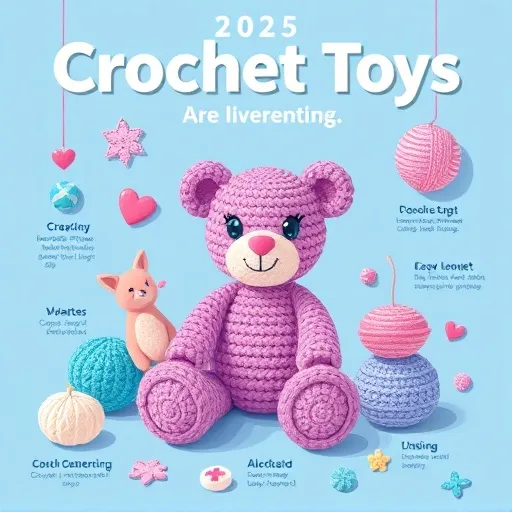
Handmade crochet toy
Why Crochet Toys Are Having a Moment in 2026
Handmade toys hit different. In a world absolutely drowning in mass-produced plastic stuff, a crocheted toy feels personal — it carries the time, care, and intention of whoever made it. And in 2026, that's exactly what buyers are craving. The crochet toys patterns boom isn't just a niche hobby trend anymore; it's a full-blown movement backed by sustainable materials, custom amigurumi gifts, and a generation of parents hunting for screen-free play options.
Here's what's actually driving the trend right now:
- Sustainability: Makers are leaning hard into natural cotton yarn and bamboo fiber, and buyers love that these toys are biodegradable and free from harsh industrial chemicals. Eco-conscious gifting is huge in 2026.
- Personalization: Custom amigurumi — matched to a kid's favorite animal, color scheme, or even the family pet — has exploded into a top gift category. Search "custom crochet toy" and you'll see what we mean.
- Screen-free play: Parents and educators are actively hunting for tactile toys and imaginative play pieces that pull kids away from tablets and phones.
- The side-hustle economy: More makers than ever are selling finished creations online, and crochet toys patterns are the launchpad for thousands of small businesses.
The result? A thriving ecosystem of pattern designers, yarn suppliers, and hobbyists all connected by one cozy craft — and crochet toys patterns sit right at the center of it.
Understanding What Makes a Great Crochet Toys Patterns Design for Amigurumi Beginners
Not all patterns are created equal. A design that works beautifully for a blanket can be a total disaster for a stuffed animal. So what should you look for in a quality crochet toys patterns file? Clarity, structure, and honest stitch counts — every single time.
The best crochet toys patterns use clear, standardized language with detailed row-by-row instructions, stitch counts at the end of each round, and notes on stitch markers. If a pattern assumes too much prior knowledge, it gets frustrating fast — especially for beginners.
Most toy construction falls into a few categories:
- Amigurumi: Worked in continuous spirals with single crochet, creating dense, firm fabric that holds stuffing beautifully.
- Flat-panel construction: Pieces crocheted flat and sewn together — great for beginners and toys with distinct shapes.
- In-the-round with joins: Similar to amigurumi but with joined rounds, which can create visible seams (sometimes intentional, sometimes not).
Finishing details matter enormously too. Embroidered features are safer for young children than plastic safety eyes, and solid crochet toys patterns always spell out exactly how to attach limbs securely.
Choosing the Right Cotton Yarn and Hook Size for Safe Crochet Toys Patterns
This is where lots of beginners trip up. Your yarn choice dramatically affects the final look, feel, and safety of your toy — and most crochet toys patterns specify which fiber they were designed for.
- Cotton: The gold standard for amigurumi. Durable, machine-washable, holds stitch definition beautifully, and doesn't pill easily.
- Cotton blends: A cotton-acrylic blend adds softness while keeping structure — great for cuddle toys.
- Bamboo: Naturally soft and antibacterial, though it can stretch over time.
- Acrylic: Budget-friendly and easy to wash. Some crafters skip it for eco-friendly reasons, but it stays popular for practice projects.
Most crochet toys patterns call for DK weight or worsted weight yarn, paired with a hook size one or two sizes smaller than the label recommends. That tighter gauge keeps stuffing from peeking through. Pro tip: always check your dye lot match when buying multiple skeins — nothing stings like finishing half a toy and realizing the second skein is a slightly different shade.
Safety First: Choking Hazards and Stuffing Rules for Every Crochet Toys Patterns
This part is non-negotiable. If you're making toys for children — gifts or sales — safety comes first, and good crochet toys patterns build that in from the start.
Small parts are the number one concern. Safety eyes, plastic noses, and tiny accessories can detach and become choking hazards. For toys for kids under three, embroidered features are strongly recommended. Use high-quality polyester fiberfill or natural alternatives, stuff firmly but not so tight the fabric distorts, and add filling a little at a time through small openings to avoid lumps. Any sewn-on limbs, ears, or tails need reinforced stitching — if you can pull it off with moderate force, it's not secure enough. Always label toys with age recommendations: safety eyes and detachable parts mean ages three and up.
Where to Find High-Quality Crochet Toys Patterns in 2026
Ready to start making? Here's where to actually find crochet toys patterns worth your time. Independent designers sell through dedicated craft marketplaces and personal shops, offering everything from free beginner patterns to intricate paid designs — look for strong reviews and detailed photos. Online craft communities and forums are treasure troves for recommendations and troubleshooting, and many designers share free crochet toys patterns to build their audience. Don't sleep on pattern books and digital craft magazines (libraries often carry them), and video tutorials are gold for visual learners working through tricky steps.
Building Skills from Beginner Stitches to Advanced Amigurumi Toy Design
New to this? Here's a realistic path. First, master the fundamentals — chain stitch, single crochet, increase, and decrease — and get comfy working in the round. Then start with simple shapes like balls and eggs, which teach you how shaping creates 3D forms. Next, learn assembly techniques like attaching limbs and joining pieces. After that, experiment with embellishment — embroidering faces, adding accessories, playing with color changes. Eventually you'll be modifying crochet toys patterns or designing your own from scratch, which is where the real fun (and side-business potential) kicks in.
Troubleshooting Stuffing, Seams, and Lopsided Shapes in Crochet Toys Patterns
Even pros hit snags. Stuffing showing through? Your gauge is too loose — drop a hook size. Lopsided toys? Miscounted stitches, almost every time, so count at the end of each round. Visible seams? Switch to continuous spirals. Limbs won't stay attached? Reinforce with a longer tail and stitch through limb and body multiple times. Distorted shapes? Double-check your increase and decrease placement against the crochet toys patterns and verify stitch counts.
Selling Handmade Crochet Toys and Sourcing Ethical Crochet Toys Patterns
Many makers eventually want to sell. Always check pattern terms — some designers allow selling finished items, others don't. Price fairly by calculating material costs and time honestly. Photograph with good lighting and natural settings, and be transparent about age recommendations and materials in your listings. The handmade toy market keeps growing, and buyers increasingly value the story behind each piece — something mass-produced products simply can't offer. Whether you're making a first wobbly bunny or stocking a craft fair table, every crochet toys patterns project teaches you something, and every finished toy carries a little bit of you in it.